Travel in
South America is a continent of extreme contrasts: From the vast Amazon rainforest to the majestic peaks of the Andes and the sprawling beaches along its coastlines, South America offers an unforgettable experience for travelers. Each region is unique, with its own history, culture, and natural wonders that draw millions of visitors from around the world

Pick a destination


Regions & Cities
Regions
Andean Region
The Andean region is home to the towering Andes mountains, stretching along the western edge of the continent. It includes countries like Peru, Bolivia, Ecuador, and Colombia. This region is known for its indigenous cultures, historic ruins, and breathtaking landscapes.
- Peru: Famous for the ancient Inca city of Machu Picchu, Peru is a land of archaeological wonders, diverse ecosystems, and vibrant traditions. The capital, Lima, blends colonial history with modernity, while Cusco is the gateway to Incan culture and history.
- Bolivia: Known for its high-altitude cities like La Paz, Bolivia offers dramatic landscapes, including the salt flats of Salar de Uyuni and the vast Altiplano plateau.
- Ecuador: This small but diverse country is home to the Galápagos Islands, one of the world’s most famous nature reserves, and the historic city of Quito, a UNESCO World Heritage site.
- Colombia: With cities like Bogotá and Medellín, Colombia offers a mix of cultural experiences, stunning landscapes, and a rich colonial history.
Southern Cone
The Southern Cone is the southernmost part of South America, encompassing countries like Argentina, Chile, Uruguay, and Paraguay. Known for its diverse climates, this region is famous for its wines, coastal beauty, and expansive grasslands.
- Argentina: A country famous for tango, beef, and Patagonia, Buenos Aires is a cosmopolitan city with European flair, while the southern region boasts the stunning landscapes of Patagonia and Iguazu Falls.
- Chile: A long, narrow country stretching along the Pacific coast, Santiago is the bustling capital, while the landscapes range from the Atacama Desert in the north to the glaciers of Patagonia in the south.
- Uruguay: Famous for its laid-back beach towns like Punta del Este and its capital Montevideo, Uruguay is a great destination for relaxation and enjoying the coast.
- Paraguay: Often overlooked, Asunción, the capital, and the nearby Chaco region offer a unique glimpse into the country’s culture and traditions.
Amazon Basin
The Amazon Basin spans several countries, including Brazil, Peru, Colombia, and Venezuela. The region is dominated by the world’s largest tropical rainforest, the Amazon Rainforest, offering an unparalleled experience for eco-tourism and wildlife enthusiasts.
- Brazil: As the largest country in South America, Brazil offers diverse experiences. Rio de Janeiro is famous for its beaches and carnival, while Manaus is the gateway to the Amazon. The Pantanal in Brazil is the world’s largest wetland, teeming with wildlife.
- Venezuela: Home to Angel Falls, the world’s highest uninterrupted waterfall, Venezuela is known for its natural beauty and vast plains.
Caribbean and the Guianas
This region encompasses the Caribbean islands and the coastal countries of the Guianas, such as Guyana, Suriname, and French Guiana. The area is characterized by lush jungles, pristine beaches, and a blend of cultures.
- Guyana: Known for its rainforest landscapes, Georgetown is the capital and offers access to some of the most untouched natural areas on the continent.
- Suriname: A small but diverse country, Paramaribo is the capital, where you’ll find a blend of Dutch colonial architecture and vibrant local culture.
- French Guiana: A region of France, it is known for Îles du Salut (Salvation Islands), a former French penal colony, and a gateway to the Amazon.
Discover Southern Europe
Southern Europe is characterized by its Mediterranean climate—warm, dry summers and mild winters. The region is known for its beautiful coastlines, dramatic cliffs, and islands.
Southern Europe has a long history of Greek, Roman, and Moorish influence. The region is known for its Mediterranean lifestyle, focusing on family, food, and festivals.

Discovering Cyprus in a rental car
Discovering Cyprus in a rental car Welcome to my travel blog, where I share tips and stories to make your adventures unforgettable. If you're planning a trip to Cyprus, renting a car is one of the best decisions you can make. This Mediterranean gem is brimming with...

Cyprus in 16 days – The perfect itinerary
Cyprus in 16 days The perfect itinerary Cyprus is an amazingly beautiful island with very friendly and helpful people, something I have never experienced before. I was there for 7 days and in hindsight I would have liked to stay longer. Read on to find out what I...

Pano Platres
Pano Platres Nestled in the Troodos Mountains, Pano Platres is a charming Cypriot village that offers a peaceful retreat with stunning natural beauty. It’s perfect for nature lovers, hikers, and anyone looking to escape the heat of the coast. Whether you're hiking or...
Cities
- Buenos Aires (Argentina) – The vibrant capital known for tango, European architecture, and rich cultural life.
- Rio de Janeiro (Brazil) – Famous for its carnival, beaches, and the iconic Christ the Redeemer statue.
- Lima (Peru) – A gastronomic hotspot with colonial architecture and proximity to the ancient Machu Picchu.
- Santiago (Chile) – A cosmopolitan city surrounded by the Andes mountains, offering culture, parks, and vineyards.
- Quito (Ecuador) – A UNESCO World Heritage site with well-preserved colonial architecture and an entry point to the Amazon and Galápagos Islands.
- Bogotá (Colombia) – A high-altitude city with a mix of modern and historical attractions, such as Gold Museum and La Candelaria.
- Asunción (Paraguay) – The capital and largest city of Paraguay, known for its cultural sites and historic parks.
- Montevideo (Uruguay) – A laid-back coastal city with beaches, vibrant markets, and a rich cultural scene.
- Caracas (Venezuela) – Surrounded by mountains, the capital offers beautiful parks, museums, and historical landmarks.
- Georgetown (Guyana) – The capital of Guyana, known for its Dutch colonial architecture, tropical gardens, and proximity to the rainforest.
Other destinations
- Machu Picchu, Peru – One of the New Seven Wonders of the World, this Inca citadel is a must-visit for history and hiking enthusiasts.
- Iguazu Falls, Argentina/Brazil – One of the largest and most breathtaking waterfall systems in the world.
- Galápagos Islands, Ecuador – A UNESCO World Heritage site famous for its unique wildlife and natural beauty.
- Patagonia, Argentina/Chile – A vast and wild region with dramatic landscapes, glaciers, and mountains.
- Uyuni Salt Flats, Bolivia – The world’s largest salt flat, offering surreal vistas, especially at sunrise and sunset.
- Atacama Desert, Chile – The driest desert in the world, known for its otherworldly landscapes and salt flats.
- Pantanal, Brazil – The world’s largest tropical wetland, perfect for birdwatching and wildlife spotting.
- Angel Falls, Venezuela – The world’s highest uninterrupted waterfall, located in Venezuela’s Canaima National Park.
- Lake Titicaca, Bolivia/Peru – A stunning high-altitude lake that straddles the border between Bolivia and Peru.
- Easter Island, Chile – Known for its ancient moai statues and mysterious history, this isolated island offers a unique cultural experience.
History & Culture
History
Pre-Columbian Civilizations
The continent was once home to powerful indigenous civilizations, such as the Inca Empire in the Andes (centered in present-day Peru, Ecuador, Bolivia, and Chile), and the Muisca in Colombia. These civilizations left behind remarkable structures, artwork, and innovations, including Machu Picchu, the Nazca Lines, and complex agricultural systems.
Colonial Era
South America was colonized by Spain and Portugal beginning in the 16th century. This era saw the rise of colonial cities like Lima, Santiago, and Buenos Aires, where the European powers imposed their culture, religion, and governance. However, it also led to the exploitation and decline of indigenous populations.
Independence Movements
In the 19th century, many countries in South America fought for and achieved independence, inspired by the success of the American Revolution and the French Revolution. Key figures like Simón Bolívar and José de San Martín played central roles in liberating countries like Venezuela, Colombia, Argentina, and Chile from Spanish rule.
Modern History
The 20th century in South America was marked by political turbulence, including military dictatorships, economic instability, and social movements. While many countries have now embraced democracy, the region continues to face challenges in terms of inequality, poverty, and social justice.
See
Itineraries
- Classic Brazil & Argentina: Start in Rio de Janeiro to enjoy its famous beaches and landmarks like Christ the Redeemer, then head to Iguazu Falls, one of the largest and most impressive waterfall systems in the world. End the journey in Buenos Aires, known for tango, rich cultural history, and architecture.
- Inca Trail & Machu Picchu: Start in Cusco, the former capital of the Inca Empire, and trek the famous Inca Trail to reach Machu Picchu, the lost city of the Incas.
- Chile and Patagonia Adventure: Discover the stunning wilderness of Patagonia, with its glaciers, lakes, and rugged terrain. Visit Torres del Paine National Park and continue to Santiago for some urban exploration.
- Amazon Rainforest: Spend a few days in the Amazon Basin in Brazil or Peru to experience the world’s largest tropical rainforest. Take a boat ride or hike to discover wildlife and indigenous communities.
- Andean Expedition: Visit the towering Andes Mountains, which stretch across several countries, including Ecuador, Bolivia, Chile, and Argentina. Go trekking, skiing, or visit the Uyuni Salt Flats in Bolivia.
Natural Attractions
- Amazon Rainforest: The world’s largest rainforest is home to a huge array of wildlife, such as jaguars, macaws, and monkeys, and the Amazon River itself.
- Iguazu Falls (Argentina/Brazil): A massive collection of waterfalls that spans both countries, offering incredible viewpoints and boat tours.
- Galápagos Islands (Ecuador): Famous for its unique wildlife and pristine beaches, these islands are perfect for nature lovers.
- Atacama Desert (Chile): A vast, dry desert, home to stunning landscapes, salt flats, and volcanoes.
- Torres del Paine National Park (Chile): Known for its breathtaking glaciers, towering peaks, and turquoise lakes, ideal for trekking and wildlife spotting.
Historical and Cultural Attractions
- Machu Picchu (Peru): A UNESCO World Heritage site and the most iconic symbol of the Inca civilization, perched high in the Andes.
- Cusco (Peru): The heart of the ancient Inca Empire, offering cobblestone streets, colonial architecture, and ancient ruins.
- Christ the Redeemer (Brazil): The famous statue in Rio de Janeiro overlooks the city and is a symbol of Brazil’s culture and religion.
- Buenos Aires (Argentina): The capital city is full of European-style architecture, tango music, and vibrant street art.
- Colonia del Sacramento (Uruguay): A UNESCO World Heritage site, this colonial town is known for its cobbled streets and historical charm.
Geography & Climate
Geography
South America is a vast continent, stretching over 17.8 million square kilometers and home to an astonishing range of landscapes, from tropical rainforests to dry deserts and towering mountain ranges. The continent is bordered by the Atlantic Ocean to the east, the Pacific Ocean to the west, and the Caribbean Sea to the north. Its geography can be broadly divided into several key regions:
-
Andes Mountains: Running along the western edge of the continent, the Andes form the longest continental mountain range in the world, stretching from Venezuela in the north to Chile and Argentina in the south. These mountains are home to some of the highest peaks in the world, including Aconcagua in Argentina, which is the highest point in South America.
-
Amazon Basin: Covering much of northern Brazil and parts of Peru, Colombia, and several other countries, the Amazon Basin is the world’s largest tropical rainforest. The Amazon River, the second-longest river in the world, meanders through this dense jungle, providing a vital ecosystem for countless species of plants and animals.
-
Pantanal: The world’s largest tropical wetland, located primarily in Brazil but also stretching into Bolivia and Paraguay, is a haven for wildlife enthusiasts. The Pantanal supports a rich biodiversity, including jaguars, capybaras, caimans, and hundreds of bird species.
-
Grasslands and Pampas: Central Argentina and Uruguay are home to expansive grasslands known as the Pampas, which are vital for agriculture, especially cattle ranching. This region is known for its flat terrain and fertile soil.
-
Deserts: In the west, you’ll find the Atacama Desert in northern Chile, one of the driest places on Earth. In contrast, the Patagonian Desert in the south of Argentina offers wide open spaces with a rugged, windswept landscape.
-
Coastlines: South America’s coastline is diverse, with the Caribbean Sea to the north, the Atlantic Ocean to the east, and the Pacific Ocean to the west. Beaches in Brazil, Colombia, and Uruguay are popular for their beauty and recreational opportunities.
Climate
-
Tropical Climate: The Amazon Basin and much of the northern part of the continent experience a tropical climate with high humidity, year-round warmth, and frequent rainfall. This includes countries like Brazil, Colombia, Ecuador, and Venezuela. Rainforests dominate these areas, especially the Amazon Rainforest.
-
Arid and Semi-Arid Climate: The Atacama Desert in Chile is one of the driest places on Earth, receiving almost no rain. Other arid regions include the coastal areas of Peru and Argentina, particularly in the Patagonian Desert.
-
Temperate Climate: Countries such as Argentina, Chile, and Uruguay have temperate climates with distinct seasons, featuring mild winters and warm summers. The Pampas region is characterized by moderate rainfall and a mix of agriculture and livestock farming.
-
Mountain Climate: The Andes Mountains create varied microclimates, with regions at higher elevations experiencing cold temperatures, snow, and even glaciers. This climate is perfect for winter sports and mountain trekking. Cities like La Paz (Bolivia) and Quito (Ecuador) are located at high altitudes.
-
Subpolar Climate: In the southernmost regions of Argentina and Chile (such as Patagonia), the climate becomes colder and more polar, with windy conditions, icy terrain, and glaciers.

Arrival & Transport
Get in
Entry Requirements
Citizens of many countries, such as those from EU, U.S., and Canada, do not require a visa for short stays in most South American countries. However, some countries, like Venezuela, Cuba, and Bolivia, may require a visa. Be sure to check the specific entry requirements for each country before traveling.
By Plane
Most international flights to South America land in Brazil, Argentina, Chile, or Colombia. The largest airports are in São Paulo (Brazil), Buenos Aires (Argentina), and Bogotá (Colombia).
By Ship
While cruise travel to South America is common, particularly for visiting destinations like Chile’s Patagonia or the Galápagos Islands, getting into the continent via sea is generally limited to specific tourist routes or cargo ships.
By Car
Most countries in South America can be accessed by car, particularly from neighboring countries. For example, Argentina and Chile have good road connections, and you can cross the border by car. However, driving conditions vary greatly across the continent, with some regions, like the Amazon, being remote and difficult to access.
By Bus
Long-distance bus travel is common in South America, especially for those traveling overland between countries. Bus services are frequent, connecting major cities in countries like Argentina, Brazil, Chile, and Peru.
Get around
Transportation within South America is generally affordable but varies in quality and comfort depending on the country. Here’s a look at some of the most common modes of transport:
By Plane
For long distances, flying is the most efficient way to get around South America. Major domestic airlines include LATAM, Avianca, and Gol. Flying between cities such as Buenos Aires and Rio de Janeiro, or Quito and Bogotá, can save you time compared to overland travel.
By Bus
Buses are the most common and economical form of transportation for getting around. South America boasts a wide network of bus services, connecting major cities and regions. Cruz del Sur (Peru), Flecha Bus (Argentina), and Expreso Internacional Ormeño (Chile) are some of the popular long-distance bus operators.
By Train
Train travel is not as common for intercity travel in most of South America, but there are some scenic train routes, such as the Andean Explorer (Peru) or the Tren a las Nubes (Argentina). In some countries, like Brazil, Chile, and Argentina, trains are used primarily for freight rather than passenger travel.
By Car
Renting a car can be an excellent option for exploring more remote regions or smaller towns. Many cities and towns have car rental options, though driving in rural areas or the Amazon may require a four-wheel-drive vehicle.
By Boat
Especially in countries like Brazil and Colombia, boats are a primary form of transport for reaching remote areas, especially along the Amazon River or to remote islands.

Shopping & Currency
Currency
South America has a variety of currencies:
- Brazil: Brazilian Real (BRL)
- Argentina: Argentine Peso (ARS)
- Chile: Chilean Peso (CLP)
- Peru: Nuevo Sol (PEN)
- Colombia: Colombian Peso (COP)
- Ecuador: U.S. Dollar (USD)
Most countries in South America have their own currency, but some, like Ecuador, use the U.S. Dollar.
ATMs & Credit Cards: ATMs are widely available in larger cities and towns across South America. Credit and debit cards are accepted in most urban areas, though in rural regions, it’s best to carry cash. Be cautious of ATM fees, especially in smaller towns, and use ATMs located inside banks for security.
Tipping
Tipping practices vary across South America, with some countries being more accustomed to tipping than others. In general, tipping is appreciated, but it’s not always mandatory.
Restaurants:
- Brazil: A service charge (usually 10%) is often included in the bill at restaurants, but if it is not, leaving a tip of 10-15% is customary. If the service charge is included, additional tipping is not required, though you can leave some small change if you’re particularly satisfied with the service.
- Argentina: Tipping is generally expected in restaurants, where you should leave 10% of the bill if no service charge is included. In more informal settings, rounding up the bill is acceptable.
- Chile: Tipping around 10% of the total bill is common if the service charge is not included. In some high-end restaurants, a service charge may already be added, but leaving an additional tip is a nice gesture if you were satisfied with the service.
- Peru: A tip of 10-15% is standard at most restaurants, though some smaller, more casual places may not expect a tip. If service is included in the bill, extra tips are not necessary, but you can round up if you’d like.
- Colombia: Similar to other countries, leaving a 10% tip in restaurants is customary if the service charge is not included. Small amounts like rounding up the bill are also common in cafes and casual dining.
Taxis:
- Brazil: In taxis, rounding up the fare or leaving a small tip (5-10%) is appreciated but not required. If the driver was particularly helpful or provided excellent service, a bigger tip may be given.
- Argentina: While tips are not mandatory for taxis, rounding up to the nearest peso or leaving a 10% tip is common and appreciated, especially for longer rides or helpful service.
- Chile: A 10% tip is typical if the driver helps with luggage or provides particularly good service. Otherwise, rounding up the fare is also fine.
- Peru: In general, you don’t need to tip taxi drivers unless they’ve gone out of their way, in which case a small tip (5-10%) is appreciated.
- Colombia: Tipping taxi drivers is not required but rounding up the fare or leaving small change is a nice gesture, especially if the driver provides excellent service.
Hotel Staff:
- Housekeeping: A tip of 5-10 USD per week is typical for housekeeping staff in hotels. In smaller hotels, a tip of 1-2 USD per day is appreciated.
- Bellhops/Porters: A tip of 1-2 USD per bag is appreciated for bellhops or porters who help with luggage.
- Concierge: If the concierge provides special services such as arranging tours or booking restaurants, consider tipping 5-10 USD for their assistance.
Tour Guides:
- Tour Guides: For guided tours, it’s customary to tip around 10% of the tour price, or 5-10 USD per person for a half-day tour. For full-day tours, you can increase the tip if the guide’s service was particularly excellent.
- Drivers: If you’re on a multi-day tour with a driver, a tip of 5-10 USD per day is appreciated for good service.
Street Performers and Other Services:
- Street Performers: In places like Buenos Aires or Rio de Janeiro, street performers (such as musicians or dancers) may entertain tourists in public spaces. While they don’t explicitly ask for tips, it’s common to give a small amount (1-5 USD) if you enjoy the performance.
- Tourist Attractions: At some popular tourist sites, you might encounter locals offering to take your photo, or providing extra services (like explaining the site). A small tip of 1-3 USD is appreciated in these cases.
General Notes on Tipping:
- Tipping is generally a sign of appreciation for good service and isn’t mandatory in most South American countries, but it is expected in many situations, especially in restaurants, taxis, and tourism-related services.
- Cash tips are preferred. Even though credit card payments are common, it’s often easier and appreciated to tip in cash. You can tip in local currency, or in U.S. dollars if that’s more convenient.
- Be aware of local customs. In some countries, like Argentina and Brazil, it’s considered impolite not to tip if the service charge is not included, while in others, it’s more common to leave small amounts for convenience.
Costs and Taxes
South America offers a wide range of travel budgets. Countries like Brazil, Argentina, and Colombia tend to be affordable, while Chile and Uruguay are pricier. Many countries also charge VAT (Value Added Tax) on purchases, and this tax is often refundable for tourists when leaving the country. Always ask if VAT is included in the price.

Food & Drink
Eat
South America offers a diverse and delicious range of cuisines, influenced by indigenous traditions, European settlers, and African heritage.
- Brazil: Try feijoada, a hearty black bean stew with pork, or pão de queijo, cheese bread.
- Argentina: Known for its asado (barbecue), empanadas, and mate (a traditional herbal tea).
- Peru: Ceviche (fresh raw fish marinated in lime and spices) and lomo saltado (stir-fried beef with rice and vegetables) are must-try dishes.
- Chile: Pastel de choclo (corn pie), empanadas, and fresh seafood like mussels and sea bass.
- Colombia: Try arepas (cornmeal cakes), sancocho (a hearty soup), and bandeja paisa (a hearty mixed platter of meats, rice, beans, and avocado).
Drink
- Brazil: Caipirinha, a cocktail made with cachaça (sugarcane spirit), lime, and sugar.
- Argentina and Uruguay: Mate, an herbal tea made from the leaves of the yerba mate plant. It’s a social drink shared among friends.
- Colombia: Aguardiente, an anise-flavored alcoholic beverage made from sugarcane.
- Peru: Pisco Sour, a cocktail made with pisco (a brandy-like spirit), lemon, and egg whites.

Accommodation & Safety
Sleep
- Hostels: Widely available in major cities and tourist hotspots. Perfect for budget travelers.
- Mid-range hotels: Found in most cities, these are often comfortable and affordable.
- Luxury hotels and resorts: Particularly in cities like Rio de Janeiro, Buenos Aires, and Santiago, offering high-end amenities and stunning views.
Stay safe
South America is generally safe for travelers, but it’s important to take precautions:
- Avoid flashy displays of wealth (e.g., expensive jewelry) in cities.
- Always use registered taxis or rideshare apps like Uber.
- Stick to well-lit, populated areas at night.
- Use common sense in crowded tourist spots to avoid pickpockets.
Stay healthy
- Vaccinations: Before traveling, check if you need any vaccinations, particularly for diseases like yellow fever or hepatitis.
- Water: In many parts of South America, it’s safer to drink bottled water rather than tap water.
- Altitude sickness: In areas like Cusco and La Paz, the high altitude can cause symptoms of altitude sickness. Stay hydrated and take it easy on your first day.

Etiquette & Connectivity
Respect
- Always ask permission before taking photos, especially of people.
- In countries like Peru and Bolivia, traditional dress is important to indigenous people, so be mindful.
- Understand local customs and cultural practices, such as greetings or table manners.
Connect
- Wi-Fi is widely available in major cities, hotels, and cafes.
- SIM cards can be bought in most countries for local data and calls, with prepaid options being affordable.
- Internet cafes are still common in many towns and rural areas.
Electricity
-
Voltage: Most South American countries operate on 220-240V electricity, though some countries, such as Brazil, Chile, and Argentina, use 127V in certain regions. Be sure to check the voltage in the specific country you’re visiting before plugging in your devices.
-
Frequency: The frequency is 50 Hz across most of South America.
-
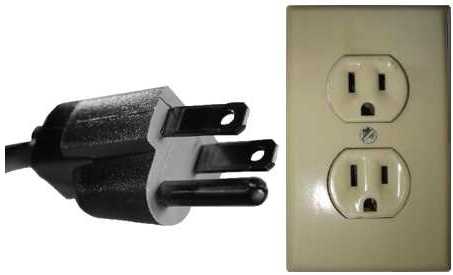
Plug Types: Electrical outlets vary by country, but the most common plug types are Type A, Type B, and Type C. In Brazil and Argentina, you’ll find a mix of Type N and Type I plugs, so it’s essential to bring an adapter. Always check the compatibility of your devices before traveling.